Slab Security: How Buyers Verify a Graded Card Hasn't Been Tampered With
Encapsulation protects a card physically, but resale value depends on buyers being able to verify that the slab and its contents haven't been swapped, cracked or faked.
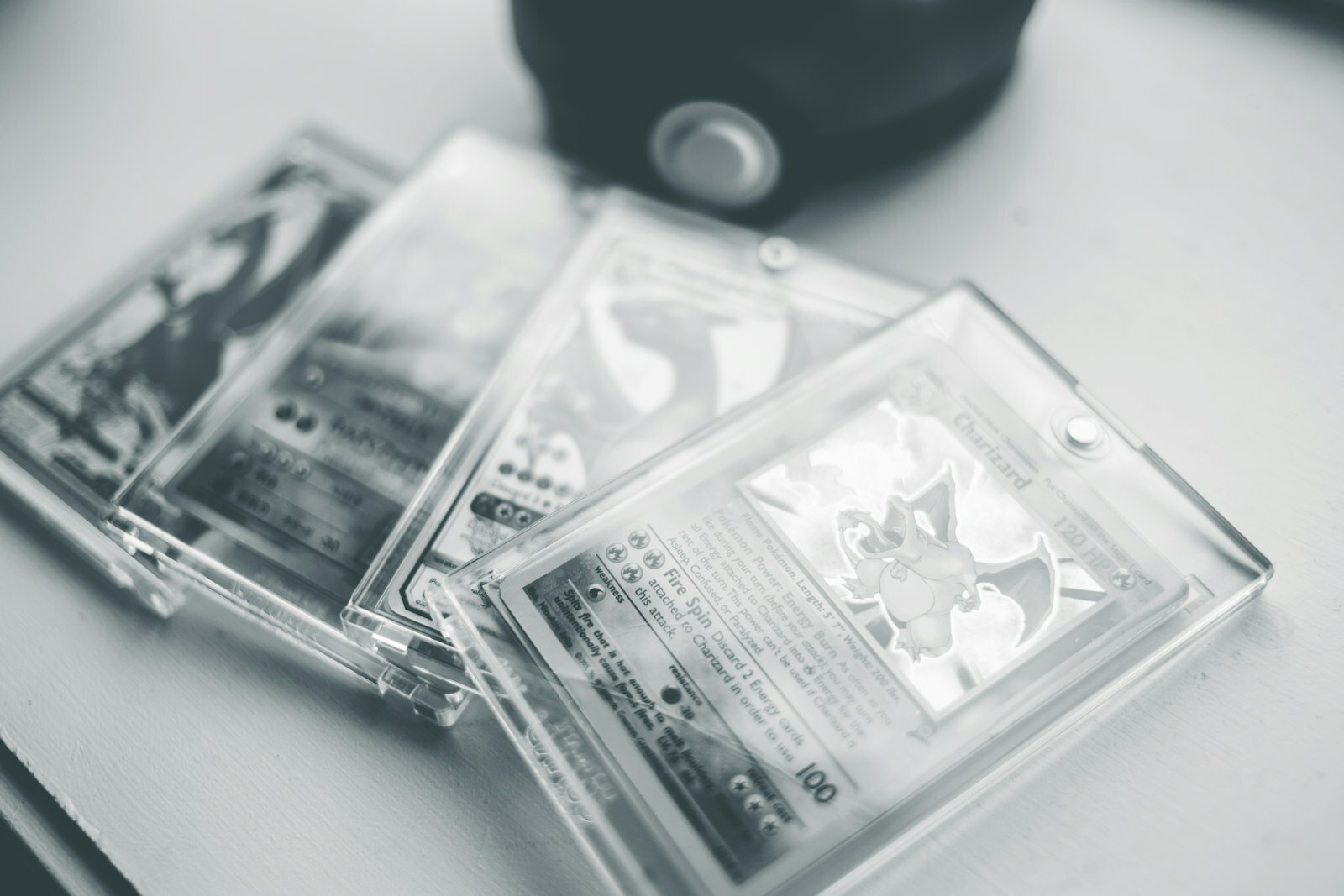
Why the slab itself becomes part of the asset
Once a card is graded, the plastic holder it sits in stops being packaging and starts being part of what a buyer is actually paying for. A graded card’s resale price depends not just on the card inside but on the market’s confidence that the slab is genuine, intact and has not been interfered with since the grading company sealed it. This is why experienced collectors check the holder itself before they check the card.
Grading companies redesign their holders periodically, partly to improve security. Newer holders tend to include features such as tamper-evident seams, unique serial numbers, holograms or QR codes, and label designs that are harder to reproduce. Older holders from earlier eras are generally considered less secure and are sometimes viewed with more caution on the resale market, even when the card and grade inside are legitimate.
What can actually go wrong with a slab
There are three broad risks buyers try to rule out.
The first is a cracked or compromised case. Slabs are sturdy but not indestructible, and a crack, especially near a seam, can let in moisture or dirt and may indicate the case has been opened. Some collectors will not buy a visibly cracked slab at all, regardless of the grade, because a cracked case undermines the whole point of encapsulation.
The second is label mismatch or swapping. In rare cases, a lower-value card has been placed inside a genuine holder alongside a label that belongs to a different, higher-value card, or a case has been reglued after the original card was swapped out. This is uncommon, but it is precisely why grading companies now offer online verification tools.
The third is counterfeit holders. Because slabs themselves have become status symbols, fake cases and fake labels do circulate, particularly for high-value cards. A convincing counterfeit slab can fool a casual buyer who only checks that the label looks right.
How buyers actually check a slab
Every major grading company allows buyers to look up a certification number printed on the label and compare the result against the card in front of them. This should show the card’s name, set, grade and sometimes a reference photo. If the details on the label do not match what the lookup returns, or the certification number does not exist in the database, that is an immediate red flag.
Beyond the official lookup, buyers should physically examine the case for cracks, discolouration, or signs it has been reglued, particularly along the seams. It is also worth checking that the label sits flush and level inside the holder, since a reinserted label can sit slightly askew. Font inconsistencies, blurry printing, or a barcode that does not scan correctly are all signs worth pausing over.
For high-value cards, some buyers go a step further and request additional photos from the seller showing the case from multiple angles, including close-ups of the seams and the certification label, before committing to a purchase.
Why this affects price, not just peace of mind
A slab with a damaged case, a mismatched label, or an unverifiable certification number will sell for less than an identical grade in a secure, verifiable holder, even if the card inside is fine. Buyers price in the uncertainty. This is one reason population reports and grading company databases matter so much to resale value: they let a buyer confirm independently that the specific certification number corresponds to the specific card, rather than relying on trust alone.
It is also why some collectors choose not to remove a card from its slab even when they might get a marginally higher raw sale price. Reholdering has costs, introduces handling risk, and means starting the trust chain again with a new certification number.
Practical steps before buying a graded card
Check the certification number on the official grading company website before paying, not after. Ask for clear photos of the whole slab, not just the card face, including the back and the seams. Be cautious with older holder generations if the card is high value, and factor any case damage into your offer rather than assuming it is purely cosmetic. If in doubt on a significant purchase, organisations such as the Chartered Trading Standards Institute and general consumer guidance from Citizens Advice cover your rights when a purchased item is not as described, which is relevant if a slab turns out to be tampered with after a sale.
Encapsulation exists to create trust between a grader, a seller and a buyer who has never seen the card in person. That trust only holds if the buyer actually checks it rather than assuming a slab is proof enough on its own.