How to Spot a Fake Pokémon Card
Counterfeits have never been more convincing. The tells that separate a genuine card from a fake - before you pay.
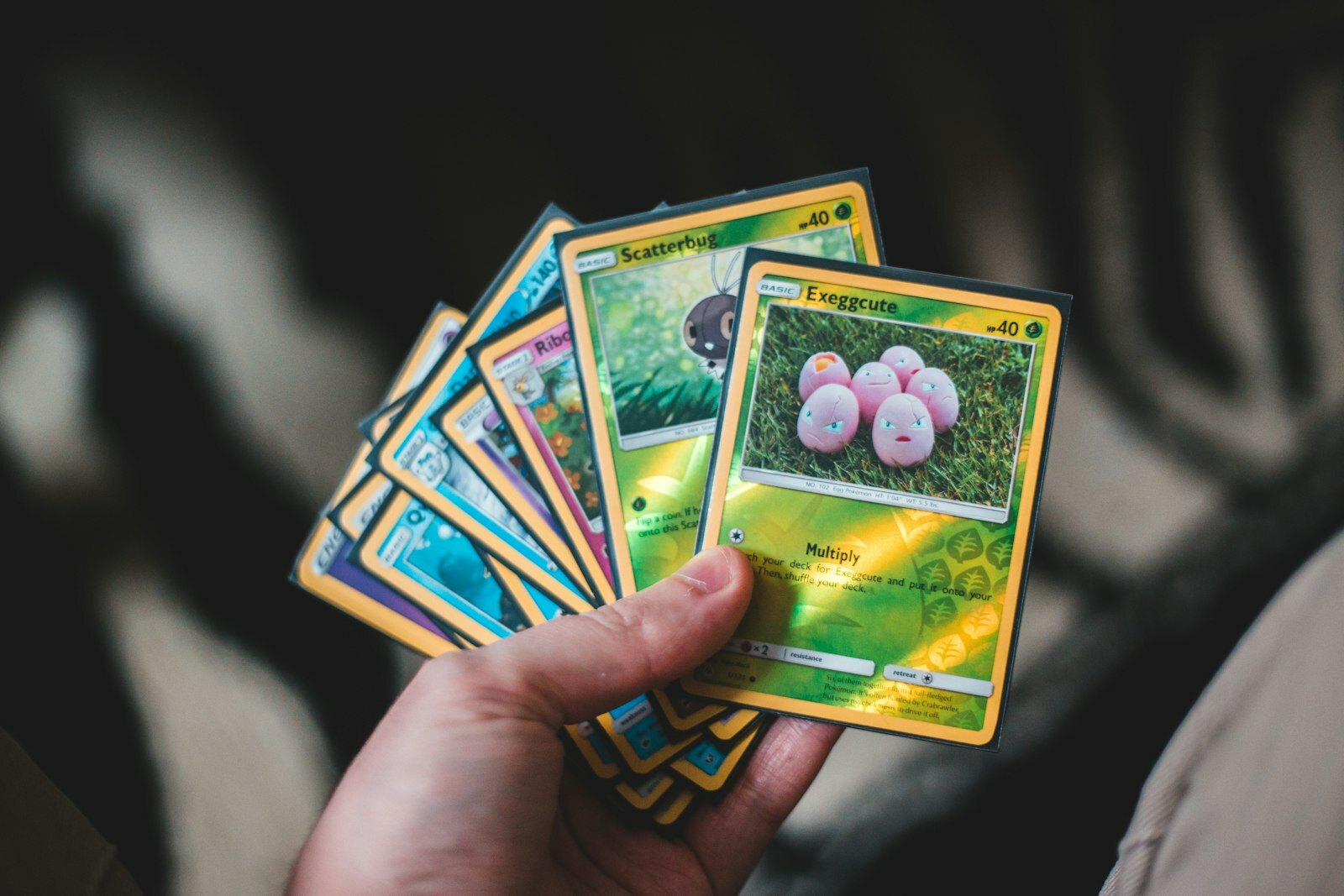
Counterfeit Pokémon cards have improved to the point where a quick glance is no longer enough. The good news: fakes almost always fail on several small details at once. Here is what to check.
Print and colour
Genuine cards have crisp, high-resolution printing. Fakes often show blurred text, visible dot patterns under magnification, and colours that are either washed out or oversaturated. Compare a suspect card against one you know is real and the difference in print quality is frequently obvious.
Text, fonts and spelling
Check the font weight and spacing, the energy symbols, the HP value and the set symbols. Misaligned text, wrong fonts and outright spelling errors are classic giveaways - official cards are rigorously proofed, counterfeits are not.
The card back and alignment
The blue swirl on the back has a consistent colour and pattern on genuine cards. Fakes often get the shade wrong or show the front and back slightly out of alignment - hold the card to the light and check the borders line up.
Feel, weight and the holo
Real cards have a specific stock, thickness and flex, and holographic patterns that sit correctly within the art box. A card that feels too thin, too glossy, too light, or whose holo covers areas it should not, deserves suspicion.
A word on the “rip test”
The old trick of tearing a card to check for a black inner layer is destructive and unreliable - some genuine cards and some fakes both complicate the picture, and you have ruined the card either way. Don’t rely on it.
The safest checks of all
No single test is definitive; combine several. And the simplest protections remain the best: buy graded cards for anything valuable, and buy from reputable sellers with clear return policies. When a deal on a “grail” looks too good to be true, it almost always is.