How Card Grading Works - and When It's Worth It
What actually happens when you send a card to be graded, and how to decide whether the slab will pay for itself.
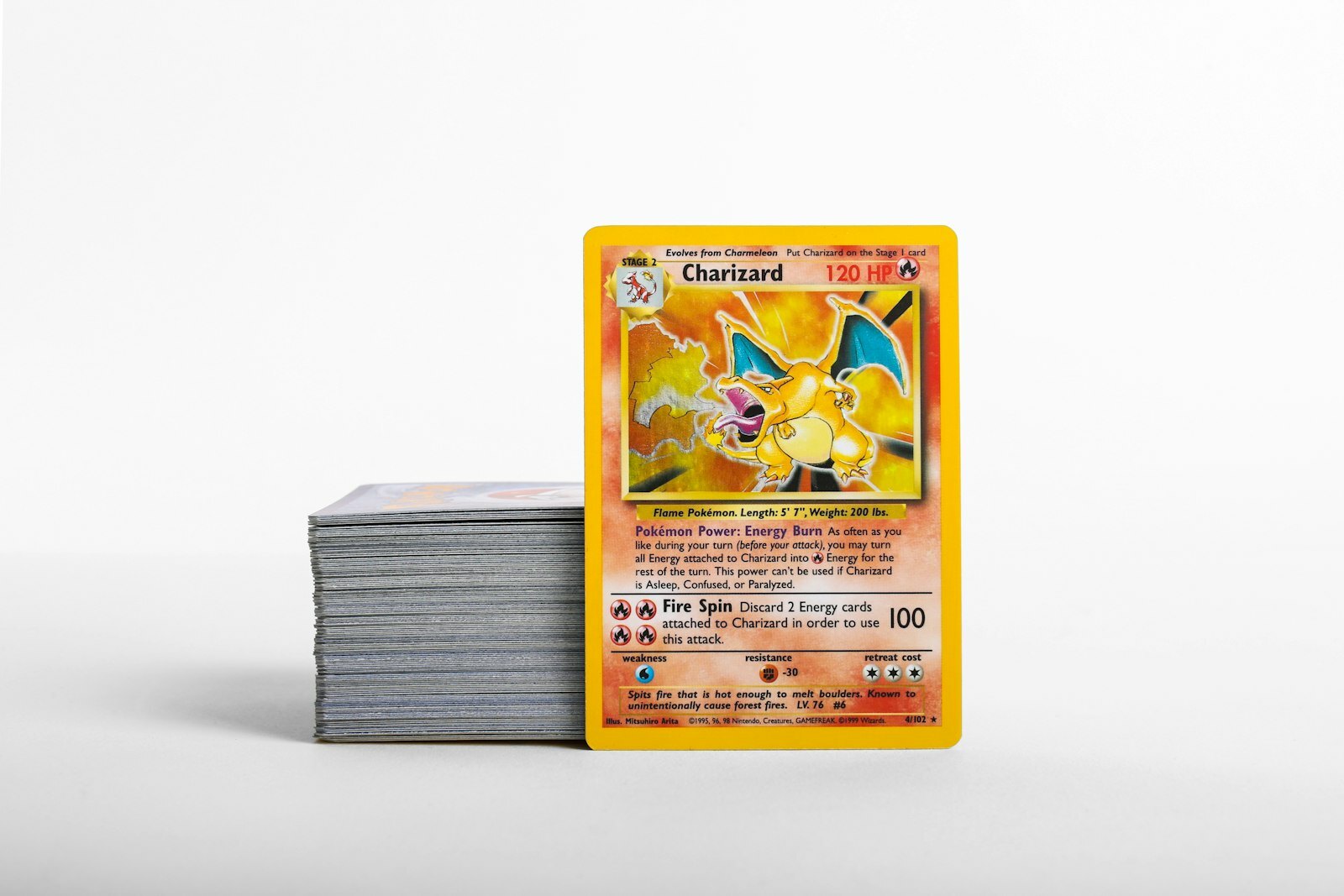
Grading can turn an ordinary card into a trusted, tradable asset - or it can cost you more than it adds. Knowing how the process works is the key to telling the two apart.
What grading actually is
Grading does three things at once. It authenticates the card as genuine, it assigns a condition score on a 1-10 scale, and it seals the card in a tamper-evident holder - a “slab” - so that grade travels with it. A graded card removes the guesswork for a buyer, which is why grades unlock higher, more reliable prices.
What the graders assess
Condition comes down to four things: centring (how even the borders are), corners, edges, and surface (scratches, print lines, whitening). A card can look mint to the naked eye and still lose points on tight centring or a soft corner under magnification, which is why grades so often surprise their owners.
When it is worth it
Grading makes sense when the potential uplift clearly beats the cost: high-value cards, genuine high-grade candidates, and key rookies or first editions where a strong grade transforms the price. It rarely makes sense for low-value bulk or heavily played cards, where the fee can exceed the entire value of the card.
Prepare before you send
Handle cards by the edges, keep them in penny sleeves and top-loaders, and never attempt to “improve” a card - cleaning or trimming is considered alteration and will be flagged, destroying value rather than adding it. Assess centring and corners honestly first, and only submit the cards that can realistically come back in a grade worth paying for. Done selectively, grading is one of the most powerful tools in collecting. Done indiscriminately, it is just an expensive habit.