What the Junk Wax Crash Still Teaches Buyers About Modern 'Limited' Cards
Boxes of 1980s and 1990s cards sit in attics worth almost nothing, and understanding why is one of the best defences a modern collector has against overpaying.
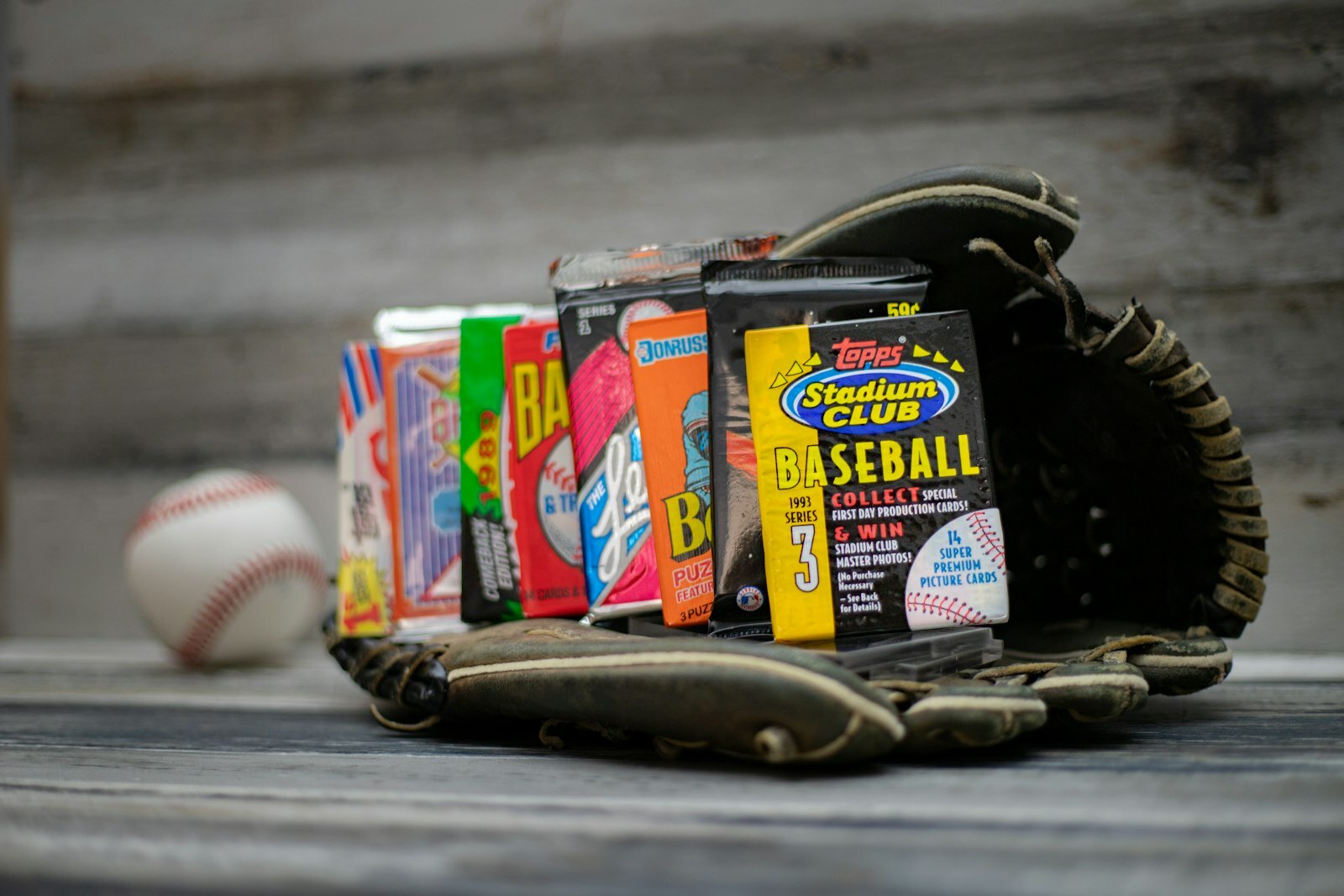
Why so many old cards are worth so little
Walk into any charity shop or car boot sale in the UK and you will still find them: shoeboxes of glossy cards from the late 1980s and early 1990s, kept for decades in the belief they would fund a retirement. Most are worth pennies. This is the legacy of what collectors call the junk wax era, a period when manufacturers printed cards in effectively unlimited quantities to meet a speculative boom in demand.
At the time, buyers assumed rarity was built in simply because a card was new, glossy or part of a set. It wasn’t. Print runs were enormous and largely undisclosed, packs were mass produced for years, and almost nobody threw anything away because everyone believed they were sitting on a nest egg. When supply is effectively infinite, value collapses no matter how many people want a piece of nostalgia. That single lesson, that scarcity has to be genuine and verifiable rather than assumed, is the thread that connects that crash to how careful buyers should think about the market today.
What actually changed after the crash
The hobby’s response to the junk wax collapse was not to stop producing cards but to change how scarcity is proven. Serial numbering on individual cards, tightly controlled print runs for certain products, and licensing deals that limit how many companies can produce a given set all followed. Third party grading and authentication also became mainstream, giving buyers an independent record of condition and legitimacy rather than relying on a seller’s word.
The practical effect is that a modern card can carry evidence of its own scarcity, a number out of a stated total, a population report showing how many have been graded, and a sealed encapsulation confirming its condition has been independently assessed. None of that existed in any meaningful way during the junk wax years. Buyers then had no way to check whether a card was genuinely uncommon, and sellers had every incentive to imply that it was.
The lesson buyers should actually take from this
The mistake collectors made in the 1980s and 1990s was not caring about cards, it was trusting perceived rarity without verifying it. That same mistake still catches people out now, just in a different form. A pack wrapper or listing description that says ‘limited edition’ or ‘rare parallel’ is a marketing claim, not proof. The only reliable checks are the ones that can be independently confirmed.
Before treating any modern card as a serious purchase, it is worth asking three questions that junk wax era buyers had no way to ask. First, is there a stated print run or serial number, and does it match what is printed on the card itself. Second, does an independent population report from a recognised grading company support the idea that the card is genuinely scarce in the grade being sold. Third, is the price being paid based on actual recent sales of comparable cards, rather than on a seller’s claim about future scarcity or a hyped release.
This is also why grading has become so central to the modern market. It is not simply about protecting a card physically, it gives a buyer a documented, checkable record of condition and authenticity that simply did not exist for a 1989 pack pulled straight off a shop shelf. A raw card’s condition and scarcity claims rest entirely on trust in the seller. A graded card’s rest on a paper trail that can be independently checked.
Why this still matters for anyone buying today
It is tempting to assume the junk wax crash was a one off caused by naive collectors who did not know better. It is more useful to see it as a permanent reminder of how card values actually work. Demand can be manufactured through marketing, nostalgia and hype, but value only holds up over time if supply is genuinely limited and that limitation can be verified. Modern manufacturers have built systems, serial numbers, print run disclosures, licensing restrictions, to make that verification possible. Grading companies have built systems to make condition and authenticity checkable too.
None of this removes risk from collecting. It simply means the tools to manage that risk now exist, where they did not in the 1980s. A collector who checks print run claims against independent population data, and who treats grading as evidence rather than decoration, is applying the one lesson the junk wax era taught the hobby the hard way. Anyone unsure how to interpret a population report or a print run figure for a specific product should check directly with the grading company or the manufacturer’s official channels rather than relying on a marketplace listing.