What Foil Curling Is - and Whether It Affects a Card's Grade
Foil cards have a habit of warping over time, and collectors often want to know whether this is a defect graders penalise or simply how the material behaves.
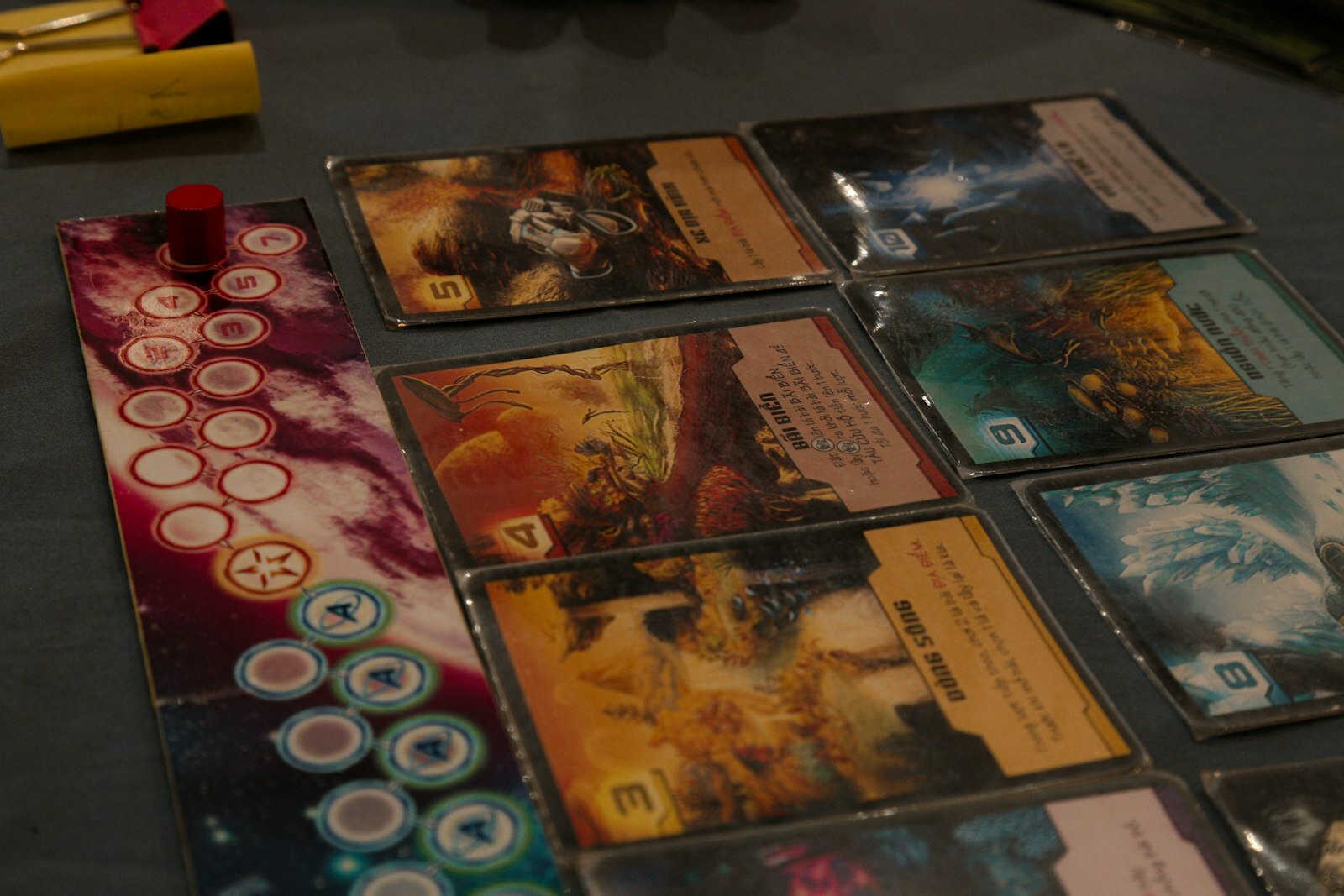
What foil curling actually is
Foil curling is the tendency of foil, holo and full-art cards to bend or dish slightly, usually along the long axis, so the card no longer sits perfectly flat. Look side-on at a stack of foils from most trading card games and you will often see a gentle concave or convex curve, sometimes more pronounced at the corners or edges.
This happens because a foil card is not one uniform piece of card stock. It is a laminate: a paper or card core sandwiched with a thin reflective foil layer, usually applied under heat and pressure during manufacturing. Foil and the base card stock expand and contract at different rates when exposed to heat, humidity and pressure changes. Over time, and especially with poor storage, this mismatch causes the card to bow. It is a physical property of the material, not usually a sign of mishandling, though rough handling and poor storage can make it worse.
Why some foils curl more than others
The degree of curling varies by manufacturer, era and finish. Older foil printing processes and certain full-art or textured finishes tend to show more pronounced warping than modern, more refined foil stock. Climate matters too. Cards stored in a hot attic, a damp room, or anywhere with big temperature swings are far more likely to develop noticeable curl than those kept in stable conditions. This is why collectors are generally advised to store foils flat, in sleeves and rigid holders, away from direct sunlight and radiators, and not to stack heavy boxes on top of loose cards.
Curling can also happen after a card has already been graded and encapsulated, though a properly sealed slab reduces the risk considerably by holding the card rigid and limiting exposure to humidity.
Does it affect the grade?
Yes, foil curling can affect a card’s grade, but the way it is scored depends on the grading company and where the curl sits within the overall assessment.
Most third-party grading services assess a card across several factors, commonly grouped as centring, corners, edges and surface, which combine into an overall numerical grade. Warping or non-flatness is typically considered part of the surface or overall structural assessment rather than a separate category, and a card with visible curl will usually be marked down from a perfect or near-perfect grade even if the surface itself is clean, the corners are sharp and the edges are undamaged.
The key variable is severity. A very slight, barely visible dish that only shows when the card is viewed edge-on at an angle may have little to no impact, particularly for graders who reserve the very top grades for flawless examples but allow minor tolerances elsewhere. A pronounced bend that is obvious when the card lies on a flat surface, or one severe enough that the card will not lie flush in a top-loader or holder, is much more likely to cap the grade well below gem standard, regardless of how good everything else looks.
Because tolerances and terminology differ between grading companies, and because the same card might be described as having acceptable minor waviness by one service and a notable defect by another, it is worth checking each grading company’s own published grading standards before submitting, especially for foil-heavy sets where curling is common across the entire print run.
Can foil curling be fixed?
There is no reliable, safe way for a home collector to flatten a curled foil card without risking further damage. Pressing a card under heavy books or weights for an extended period is a commonly suggested approach and can sometimes reduce mild curling, but it carries a real risk of creasing, surface stress or introducing print lines, and it will not resolve stubborn or long-term warping caused by the foil lamination itself. Heat should never be applied, as this can cause the foil layer to bubble, discolour or separate from the card stock permanently.
For this reason, collectors who care about grade or resale value are usually better off accepting the card’s natural condition, storing it correctly to prevent further curling, and deciding whether it is worth submitting for grading as it is rather than attempting a repair that could make things worse.
Buying and selling with curling in mind
When buying raw, ungraded foils, it is worth checking the card is reasonably flat before paying a premium price, particularly for high-value modern chase cards where a small dish can be the difference between a top grade and a merely good one. When selling, be upfront about any visible curl in photographs and listings. Buyers who plan to submit a card for grading will want to know in advance, and sellers who disclose condition honestly tend to avoid disputes and returns later on.