How Sub-Grades Work - and Why Centring Is Usually the Problem
Corners, edges, surface and centring each get their own score before a card's final grade is set, and centring is the one most likely to hold a card back.
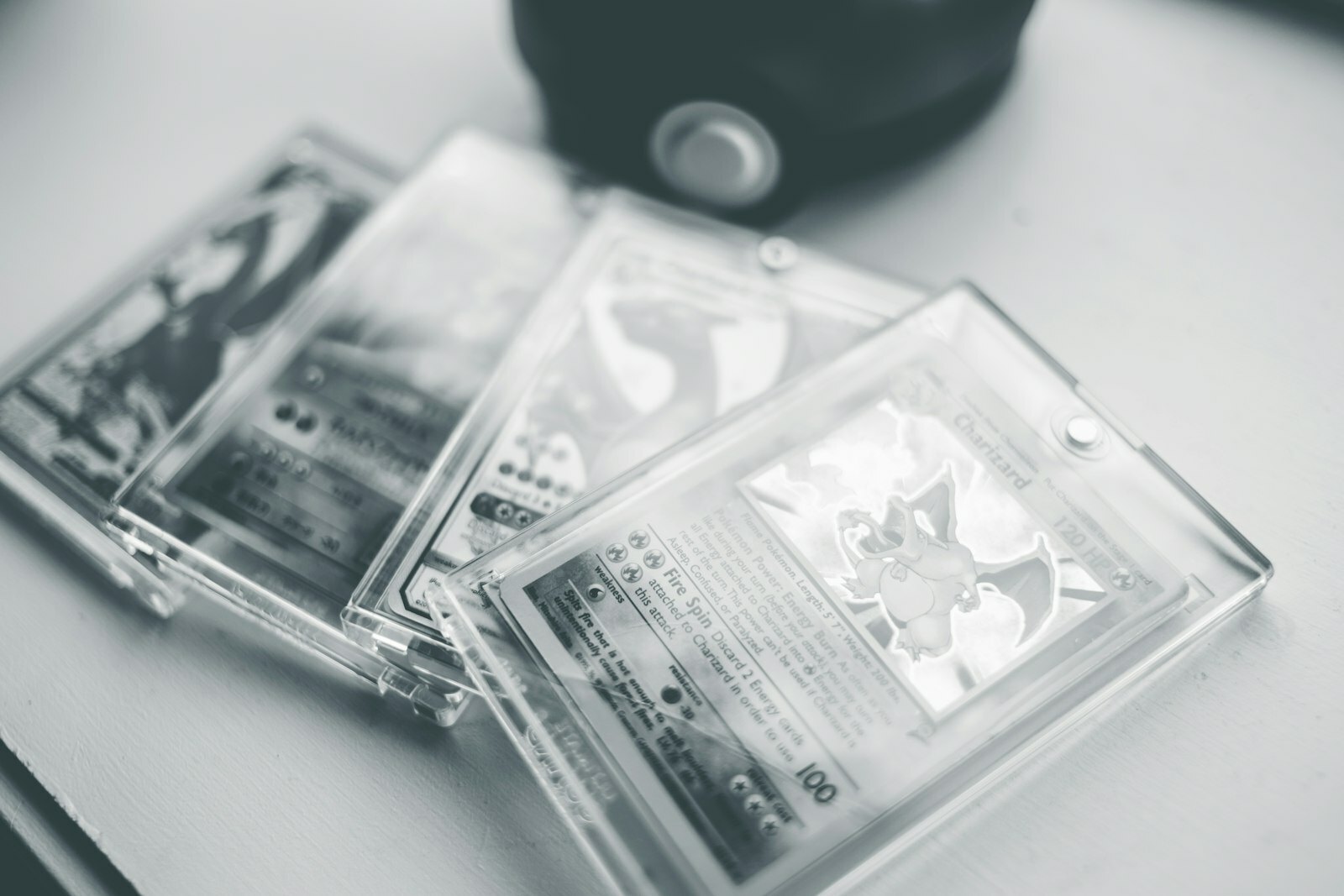
What sub-grades actually are
When a grading company assesses a card, it does not just eyeball it and pick a number. Most services break the assessment into four components: centring, corners, edges and surface. Each is scored individually, and those component scores are then combined, using the company’s own formula, to produce the overall grade printed on the label.
Some grading companies show all four sub-grades on the slab or certificate (this is common with services that use a Black Label or similar tiered approach), while others fold the sub-grades into a single number and only publish the headline grade. Either way, the same principle applies underneath: a card is only as strong as its weakest component, because a poor score in one area drags down the average or triggers a cap on the maximum achievable grade.
The four components, briefly
- Corners - whether the four corners are sharp and free from whitening, fraying or rounding.
- Edges - whether the card’s edges are clean, without chipping, nicks or roughness, especially on darker borders where wear shows up as white flecks.
- Surface - print lines, scratches, indentations, stains or wax staining from being packed against other cards.
- Centring - how evenly the image or border is positioned within the physical card stock, measured front and back.
Corners, edges and surface are largely about damage: things that happen to a card after it leaves the factory, through handling, storage or age. Centring is different. It is usually baked in at the point of manufacture, which is exactly why it causes so much frustration for collectors chasing a top grade on a card that has otherwise been kept in pristine condition.
Why centring is the usual culprit
Centring problems come from the printing and cutting process, not from anything the owner did. Sheets of cards are printed, then cut into individual cards by machine. If the printing plate is slightly misaligned, or the cutting guillotine drifts even by a fraction of a millimetre, every card cut from that sheet inherits the same off-centre look. A collector could buy a card straight from a sealed pack, store it in a protective sleeve from day one, and still find it capped at a mid-tier grade purely because of how it was cut years earlier.
Graders assess centring by measuring the border margins on the front of the card (for example, comparing the left-to-right gap and the top-to-bottom gap) and doing the same on the back. A card needs to be close to even on both sides to score well. Front centring is often reported as a ratio, such as roughly even margins on all sides, while the back is allowed a bit more tolerance since it is less visually prominent. A card that is well centred on the front but poorly centred on the back will usually be marked down.
Because the human eye can spot even small centring deviations, and because it is the one factor that cannot be improved by careful handling, it tends to be the deciding factor between a merely good grade and a top one. This is why buyers researching a specific card’s population report will often see plenty of examples in the second-highest grade tier and comparatively few at the very top: not because those cards were damaged, but because the print run simply was not centred well enough for the top grade to be achievable.
Why this matters when you are buying or grading
If you are submitting a card for grading, it is worth checking centring yourself before you pay a submission fee. Hold the card up and compare the border widths by eye, or use a simple ruler or centring tool sold by hobby retailers. A card with visibly wider borders on one side is unlikely to reach a top grade regardless of how clean the corners and surface are.
If you are buying a raw (ungraded) card with a view to submitting it, factor in that older cards, particularly from eras before manufacturers tightened up quality control, are far more prone to centring issues than modern releases. This is also why two cards that look identical in condition can carry very different price tags once graded: one happened to come from a well-aligned print run and the other did not.
Finally, remember that different grading companies weigh centring slightly differently within their overall formula, and tolerances can change over time as companies refine their standards. If you want the specifics of how a particular grading company scores centring or defines its sub-grade thresholds, check that company’s own published grading standards rather than relying on older forum posts or secondhand summaries, since these details are the kind of thing that gets revised.
Where to check the details
For up-to-date grading scales and how sub-grades feed into the final number, go directly to the grading companies themselves rather than resellers or social media summaries.